Better Indian language fit
Speech pathways planned for Hindi and regional needs.
Product · TTS & STT
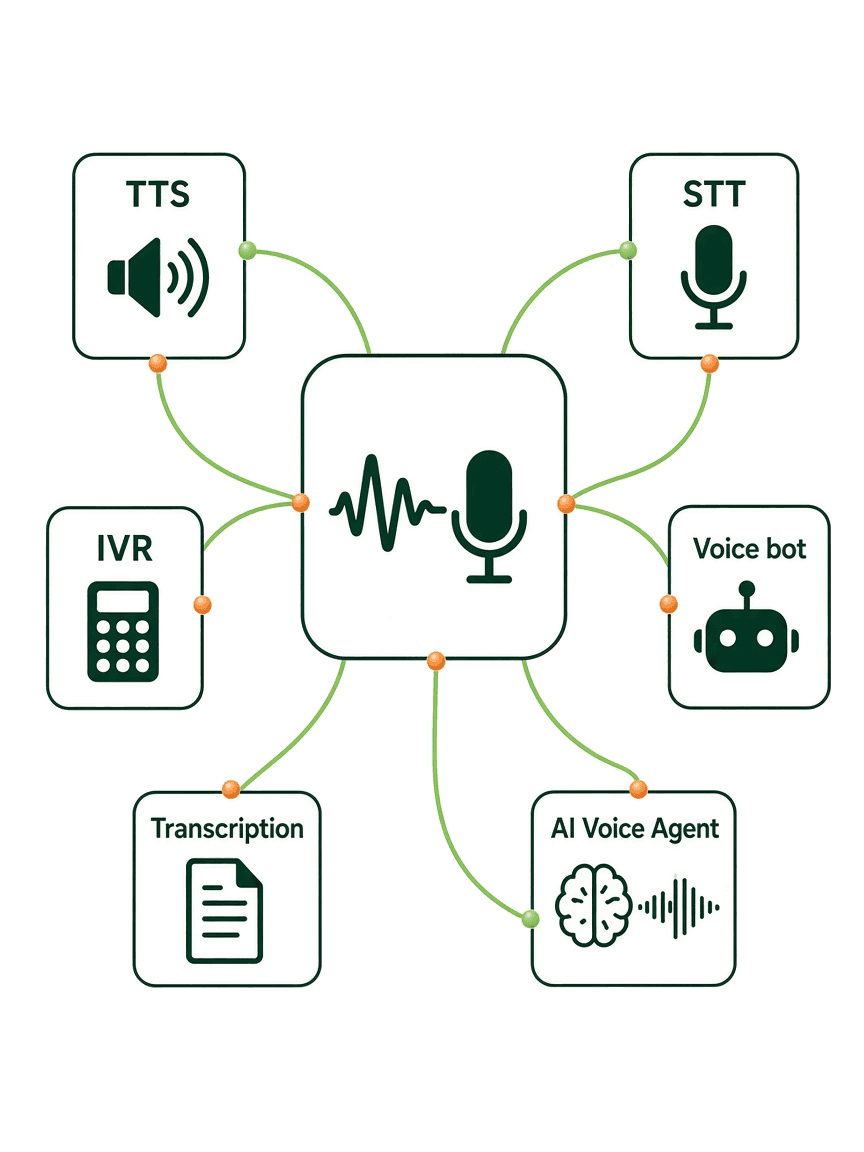
Text-to-speech and speech-to-text building blocks for IVR, voice bots, transcription, and agent assist — with Indic language pathways and telephony-aware design.
Indic speech pathways
IVR enablement
Voice-bot foundations
Call transcription
Better Indian language fit
Speech pathways planned for Hindi and regional needs.
Reusable building blocks
Same STT/TTS layer can power IVR, bots, and analytics.
Agent assist potential
Transcripts unlock coaching, QA, and CRM note automation.
Telephony realism
Designed with call audio constraints in mind.
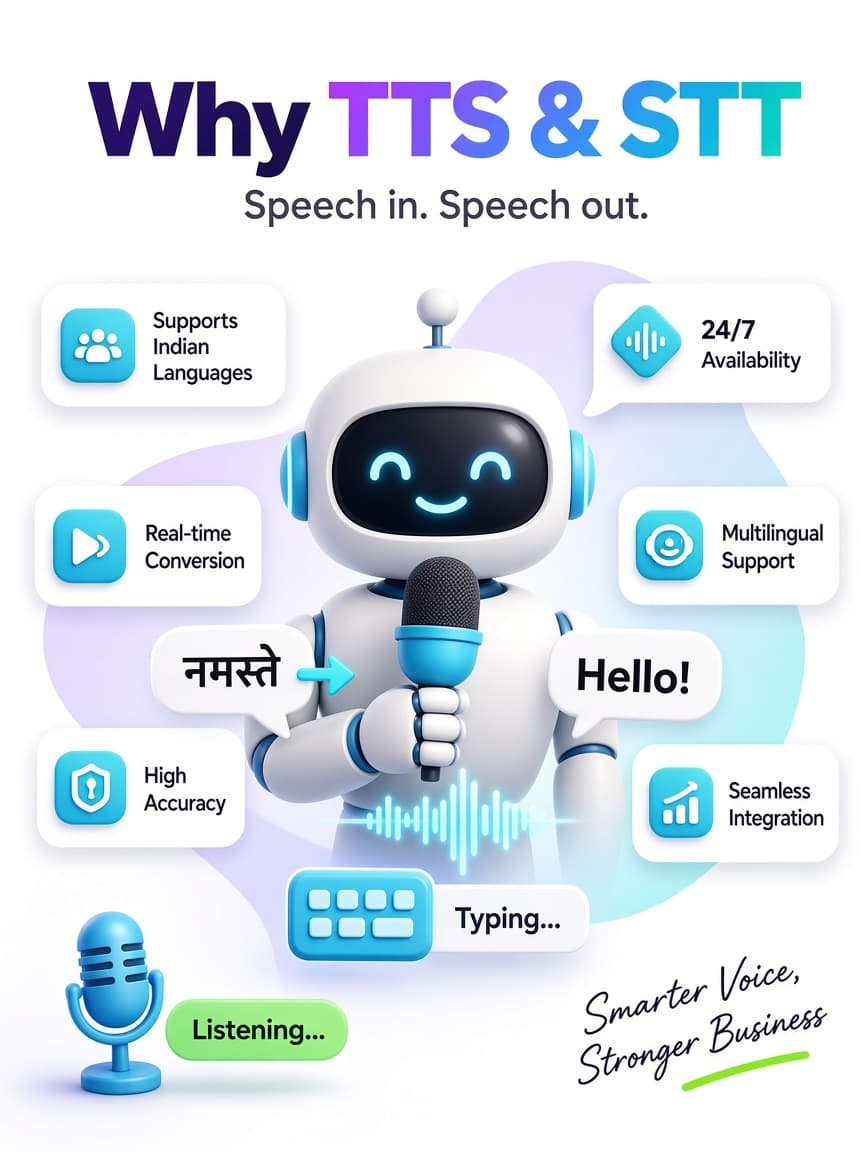
Better Indian language fit
Speech pathways planned for Hindi and regional needs.
Why TTS & STT
Generic speech stacks struggle with Indian accents, Hinglish, and noisy telephony audio. IVR sounds foreign, transcripts miss meaning, and voice bots fail when callers switch languages.
Use TTS/STT components that support Indic language experiences and pair with AI Voice Agent and CPaaS workflows. Design for real call audio — not only clean studio demos.
Speech pathways planned for Hindi and regional needs.
Same STT/TTS layer can power IVR, bots, and analytics.
Transcripts unlock coaching, QA, and CRM note automation.
Designed with call audio constraints in mind.
Features
 01
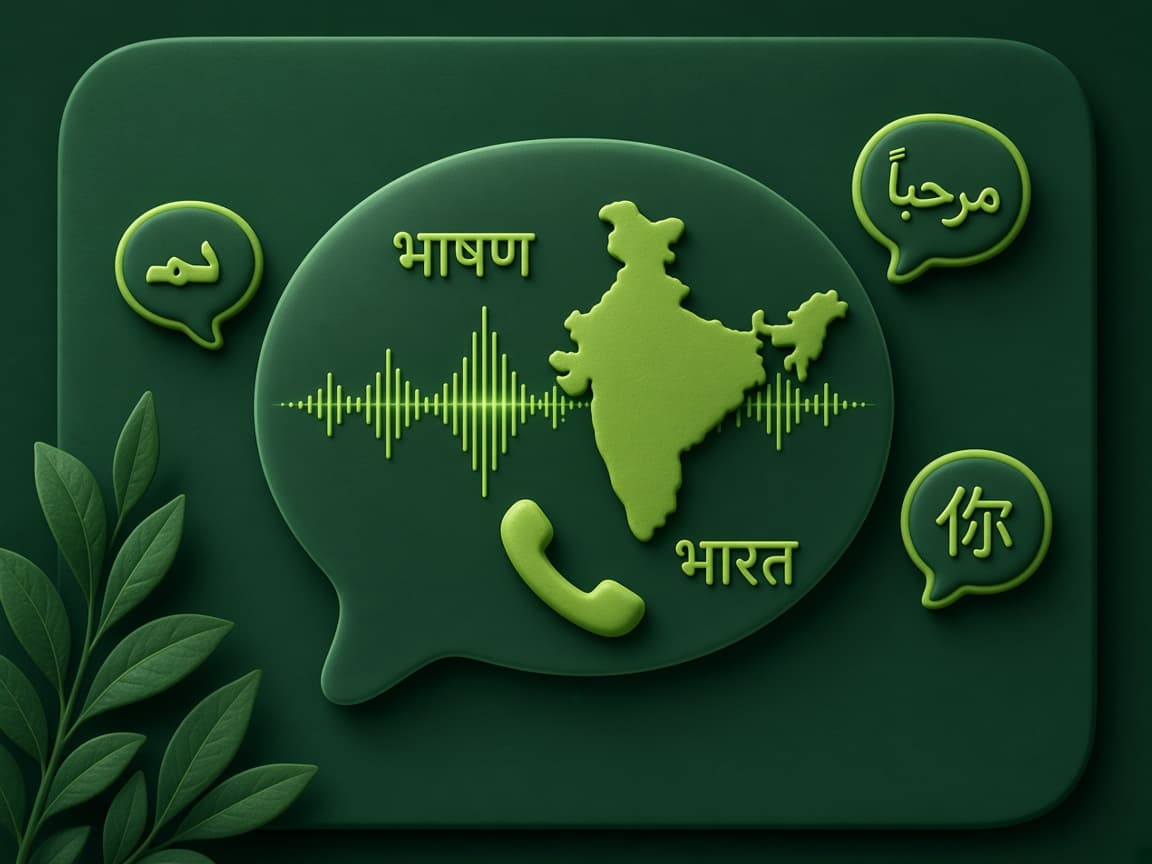
01Support for Indian language voice experiences.
 02
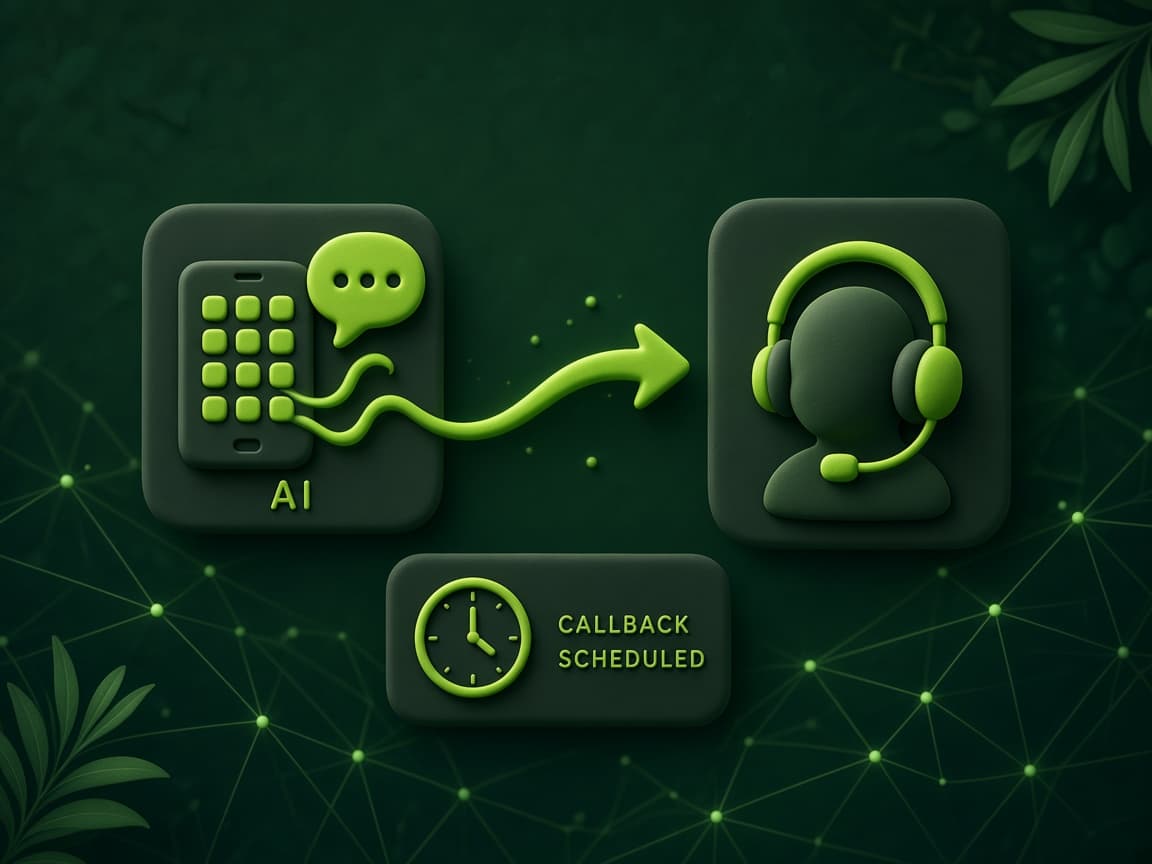
02Natural prompts beyond flat robotic menus.
 03
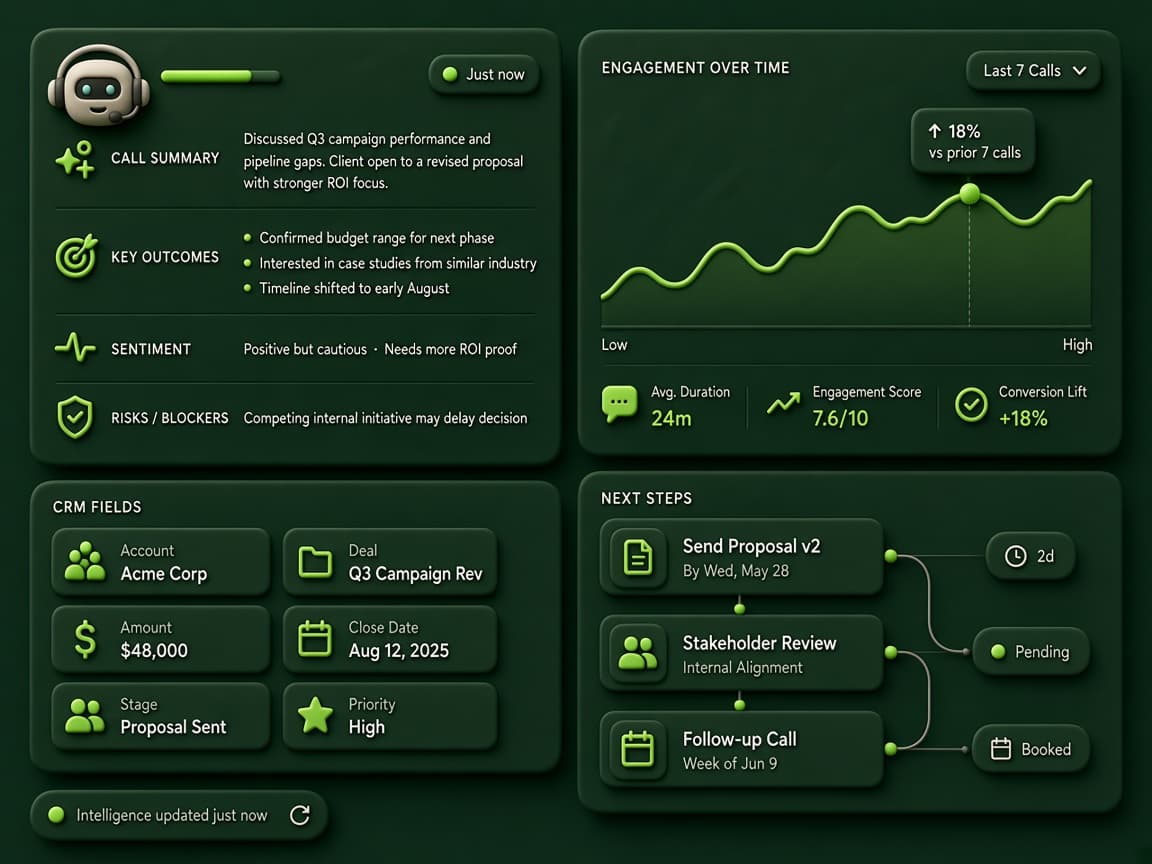
03STT/TTS paired with dialog logic.
 04
04Convert conversations into searchable text.
Surface summaries and next-best actions.
Plug into broader Bharat Global voice programs.
Outcomes
Use TTS/STT components that support Indic language experiences and pair with AI Voice Agent and CPaaS workflows. Design for real call audio — not only clean studio demos.
Speech pathways planned for Hindi and regional needs.
Same STT/TTS layer can power IVR, bots, and analytics.
Transcripts unlock coaching, QA, and CRM note automation.
Designed with call audio constraints in mind.

Use cases
 01
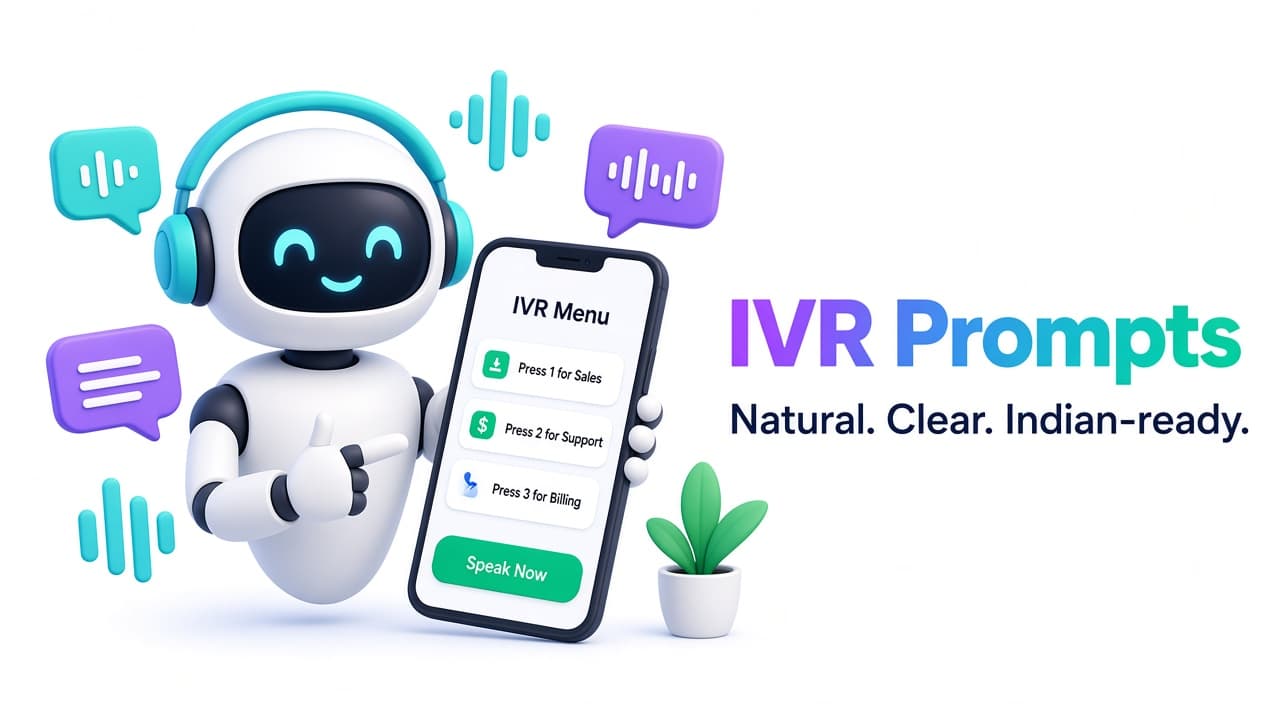
01Natural prompts beyond flat robotic menus.
 02
02STT/TTS paired with dialog logic.
 03
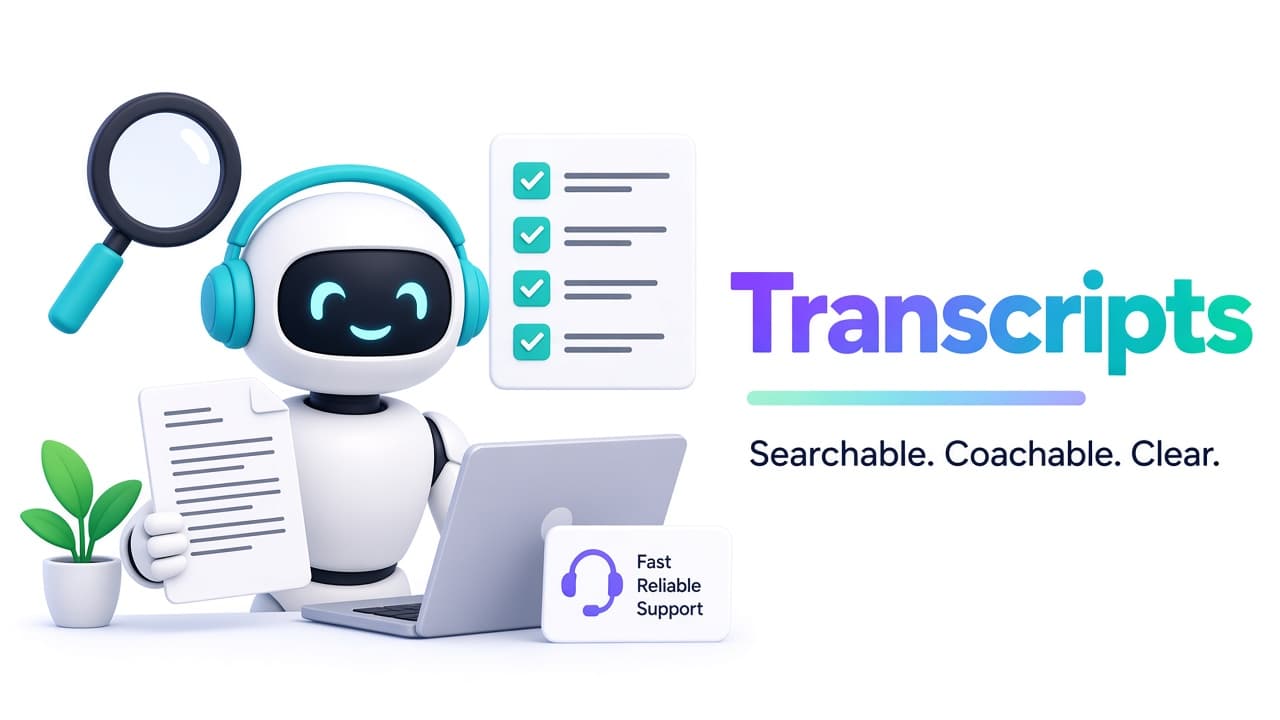
03Convert conversations into searchable text.
Workflow
IVR modernization
IVR modernization
IVR modernization
IVR modernization
IVR modernization
Industries
Audience fit
Teams building IVR and voice bots
Contact centers needing transcription
Product teams adding voice interfaces
AI voice programs needing speech foundations
Outcomes
01
Speech pathways planned for Hindi and regional needs.
02
Same STT/TTS layer can power IVR, bots, and analytics.
03
Transcripts unlock coaching, QA, and CRM note automation.
04
Designed with call audio constraints in mind.

Next step
Text-to-speech and speech-to-text building blocks for IVR, voice bots, transcription, and agent assist — with Indic language pathways and telephony-aware design.
It can be standalone or embedded inside AI voice and communication builds.
Yes. Design accounts for noisy call audio and telephony constraints — not only clean studio demos.
Yes. Transcripts unlock coaching, QA sampling, and searchable conversation review.
TTS/STT are foundational speech layers that AI voice programs plug into for listen and speak.
Absolutely. Live or post-call transcripts surface summaries and next-best actions for human agents.
Language design and model choices are part of discovery; Hinglish handling is a first-class requirement for many Indian deployments.
Yes. Indic speech pathways support more natural IVR and voice-bot prompts than flat robotic menus.
Yes. Summaries and key fields can flow into CRM note systems as part of agent-assist patterns.
Often yes. Many teams start with Hindi/English and expand regional coverage as volume justifies it.
Yes. Typical IVR modernization maps menus, rewrites prompts, configures voices, and tests barge-in before deploy.
Next step
Text-to-speech and speech-to-text building blocks for IVR, voice bots, transcription, and agent assist — with Indic language pathways and telephony-aware design.
